From Skepticism to Confidence: A Construction Professional’s Manufactured Home Story
June 24, 2026
When someone comes from a construction background, they do not look at a home the same way most buyers do. They notice framing, floor structure, insulation, joist spacing, wall thickness, seams, finish work, and whether the home actually feels solid. That is what makes this customer story especially meaningful.
In this video, a Home Boys customer shares what it was like to choose a manufactured home after years of working in construction, framing houses, and doing heavy commercial concrete work. He and his family had purchased 10 acres and needed to decide what kind of home made the most sense. With his background, a traditional stick-built home was an obvious option. But that would also mean pulling multiple permits, hiring different trades, managing a long timeline, and taking on the uncertainty of a full custom build.
Across the street from his property, he could see a partially built house that had been sitting unfinished for a long time. That was a real reminder of how long and complicated traditional construction can become. Between rising home prices, changing market conditions, and the desire to get his family settled, he started looking for a smarter path.
At first, he had the same concern many people have when they hear the words “manufactured home.” He remembered the old stereotypes: flimsy walls, small framing, cheap materials, and the kind of trailers people remember from decades ago. As someone who understands construction, that concern mattered. He knew what it takes to make something structurally sound, so one of his first questions was direct: what’s the catch?
That question led to deeper conversations about how modern manufactured homes are actually built. He wanted to know the wall thickness, the R-values, the floor system, the joist spacing, and what supports the home underneath. Those details helped change the way he looked at manufactured housing. Instead of seeing a compromise, he started to see a smart, transportable, carefully engineered home system.
Walking through the display homes at The Home Boys also changed his expectations. The homes did not feel like the trailers he remembered from the past. They felt like real homes — places where a family would actually want to live. The floor plans, finishes, open spaces, and overall feel made the decision more practical and more exciting. Once he saw the quality and compared it with the price, the value started to make sense.
The process also moved quickly. After signing papers in the summer, the project began moving forward in September, and by October the family was moved in. For a project that started with blank land and no house, that timeline made a major impression. He was able to watch the two wrapped halves of the home arrive, come together, and become one finished structure. He noticed the way the marriage line was handled, how the drywall seam was finished, and how clean the final result looked once the home was completed.
As a construction professional, he expected to notice the seam. Instead, after the finish work was done, the result surprised him. The home felt clean, solid, and complete.
He also found that some parts of the site process were more manageable than expected. Bringing power to the property, for example, was a new experience for him, but the local power company provided clear plans and instructions. They explained the trench depth, pedestal requirements, and the steps needed to complete the work. By the end of the process, it felt like something he could confidently do again.
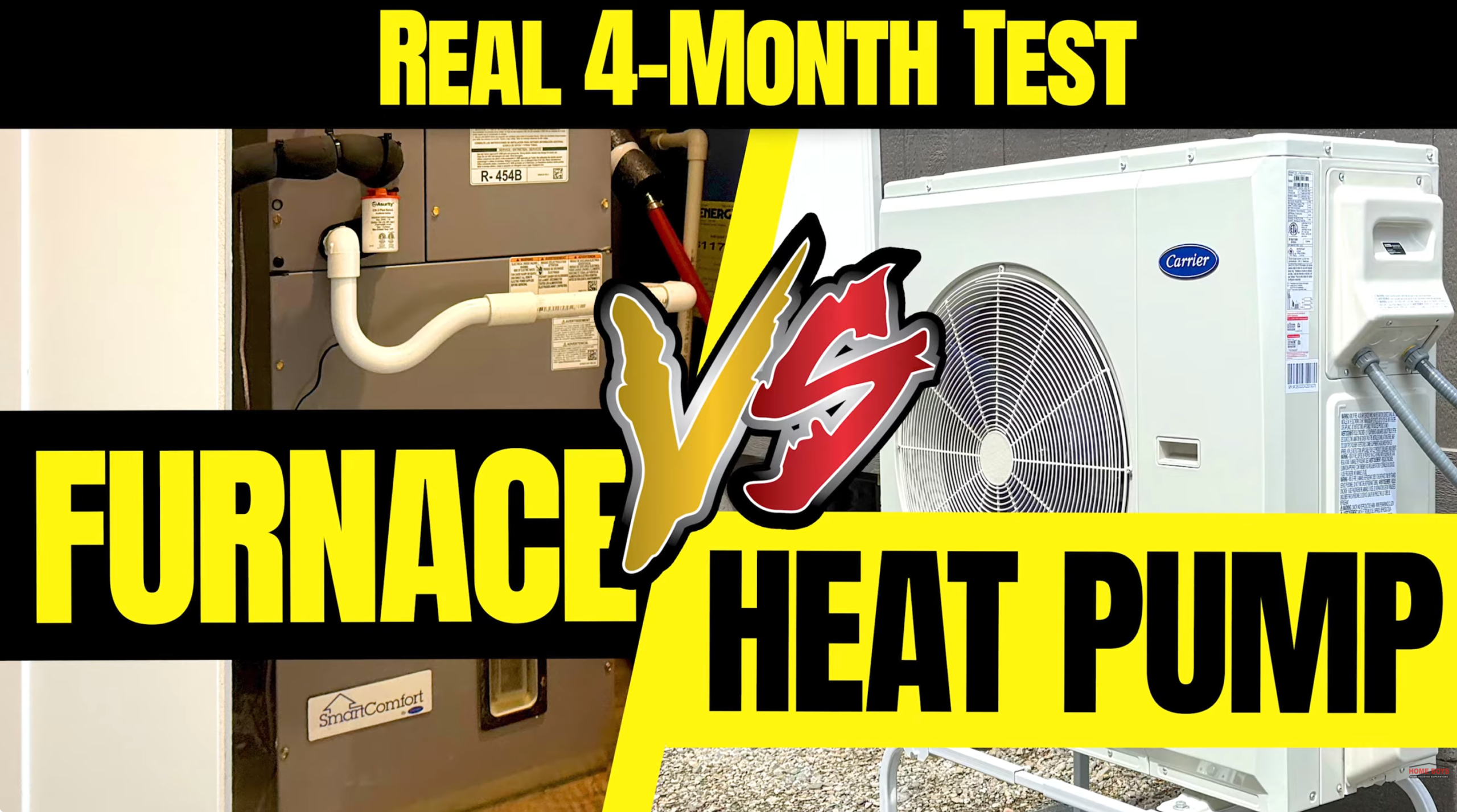
One of the biggest confirmations came after the family started living in the home. They chose an Energy Star / energy-efficient package, and he says it was absolutely worth it. In their previous stick-built home, winter power bills could run $200 to $300 or more. In the new manufactured home, one recent power bill came back around $90, even with the heat running normally and the thermostat left alone. The heat pump, insulation, windows, and overall package made a real difference in everyday comfort and operating cost.
That comfort mattered even more once the weather tested the home. The family experienced cold days, snow, and even 60 mph winds. The home stayed comfortable, the insulation felt good, and nothing went wrong. For someone who had questioned whether a manufactured home could feel solid, that real-world experience helped put the old concerns to rest.
The customer also talks about the financial side of the decision. He was able to get a 3-bedroom, 2-bath home at a price that impressed him, without becoming “married to the mortgage” or house broke. In his industry, he knows people paying extremely high mortgage payments just to get something similar in function. By choosing a manufactured home through The Home Boys, he got land, a home, creative space, and a payment that made sense for his family.
The experience was not just about price. It was about the full package: the home, the comfort, the efficiency, the support, and the ability to get settled without taking on an oversized mortgage or a long, uncertain construction project.
He also highlights the support from The Home Boys team. From early conversations with Larry to working through questions during the process, he felt that his concerns were taken seriously. When something needed attention, the team made calls, sent emails, and helped keep things moving. That kind of support made a difference, especially for a buyer who knew enough about construction to ask detailed questions.
For buyers who are skeptical of manufactured homes, this story is important because it comes from someone who understands construction. He did not choose a manufactured home because he did not know the difference. He chose it after asking hard questions about structure, efficiency, cost, installation, and long-term comfort.
In the end, his conclusion is simple: he would do it again.
Why This Story Matters
This customer’s experience speaks directly to buyers who are interested in manufactured homes but still have doubts. Those doubts are common, especially for people who remember older mobile homes or have heard outdated assumptions about manufactured housing.
His concerns were real:
- Would the home feel structurally sound?
- Would the walls and floors feel sturdy?
- Would the insulation perform well?
- Would the home stay comfortable in cold weather?
- Would the marriage line be obvious?
- Would the process be painful?
- Would the price be too good to be true?
- Would the home feel like a real home?
After going through the process and living in the home, those concerns changed. The home felt solid. The finish work looked clean. The energy package performed well. The monthly power bill was lower than expected. The home held up through winter weather and strong winds. And most importantly, it gave his family a comfortable place to live on their land without stretching the budget too far.
A Smarter Path to a New Home
For many families, building a traditional site-built home can be expensive, slow, and complicated. That does not mean site-built construction is wrong, but it does mean buyers should understand all their options.
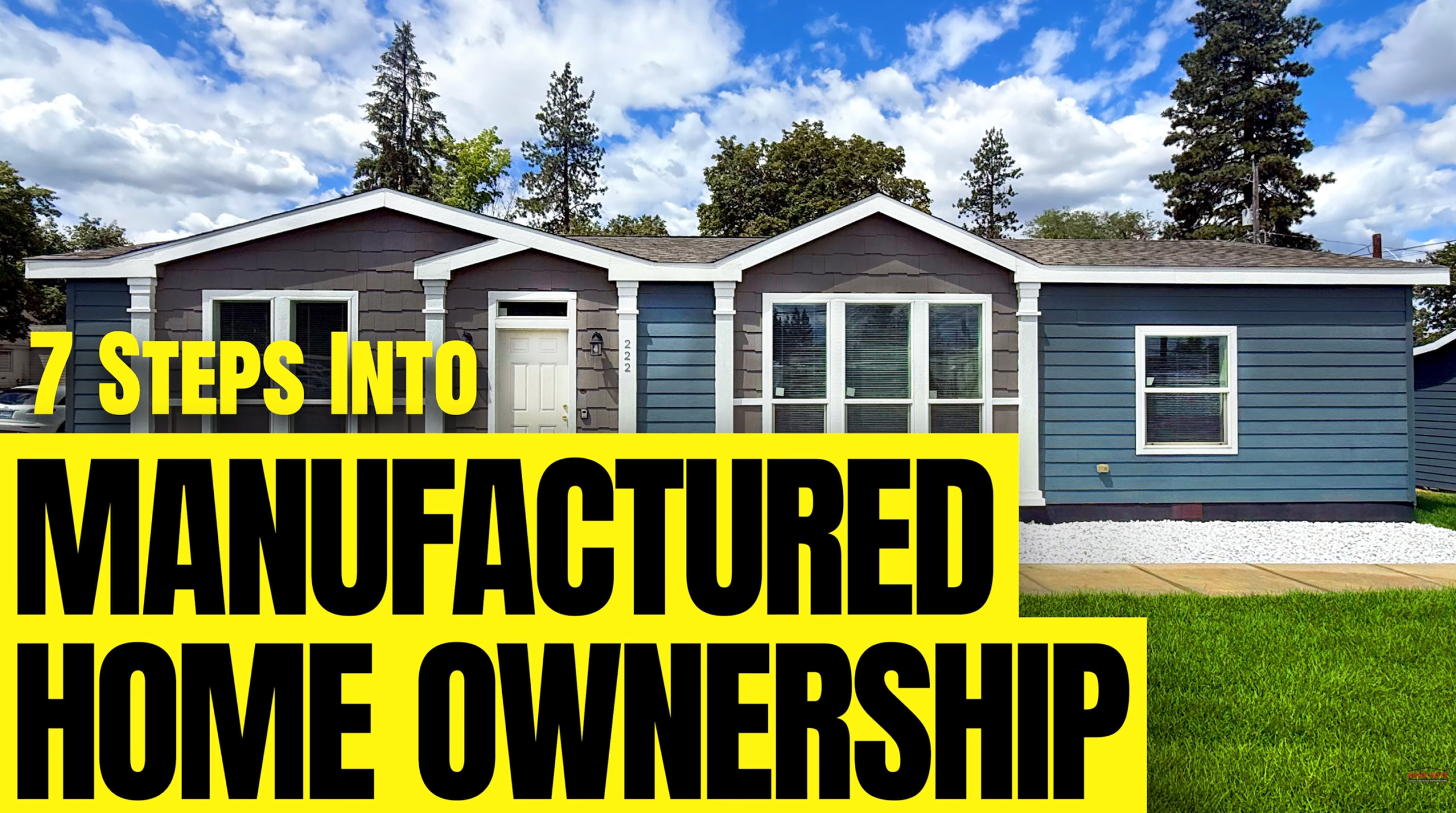
A manufactured home from The Home Boys can offer a different path: a new home, built in a controlled factory environment, delivered to the property, finished on site, supported by a team, and priced in a way that can make homeownership more realistic.
For this customer, that path turned 10 acres of blank land into a comfortable family home in a short period of time. He got the space he needed, the energy efficiency he wanted, the creative room he hoped for, and a home that felt better than the old stereotypes ever suggested.
That is the point of this story. Modern manufactured homes are not the flimsy trailers many people still imagine. When built, delivered, set, and finished properly, they can be solid, efficient, comfortable, and financially practical homes for real families.
See What Modern Manufactured Homes Are Really Like
The best way to understand today’s manufactured homes is to walk through them in person. The Home Boys has display homes available to tour at the Spokane Valley and Tri-Cities / Pasco locations, with pricing posted clearly in each home and floor plans available online.
If you have questions about build quality, wall thickness, insulation, delivery, setup, site work, energy efficiency, or financing, The Home Boys team can walk you through the process and help you compare homes realistically.
For buyers with land, buyers planning a land-home package, or buyers who simply want a new home without becoming house poor, this customer story shows what is possible: a solid home, a faster path, real support, and a result that feels good to live in every day.