Manufactured Home Financing: What Can You Really Afford?
October 24, 2026
Getting approved for a manufactured home loan is an important step toward homeownership. But the amount a lender approves and the amount you feel comfortable spending can be different.
Before choosing a floor plan or committing to a project, it helps to understand your monthly payment, your total project budget, and the financing options available for your situation.
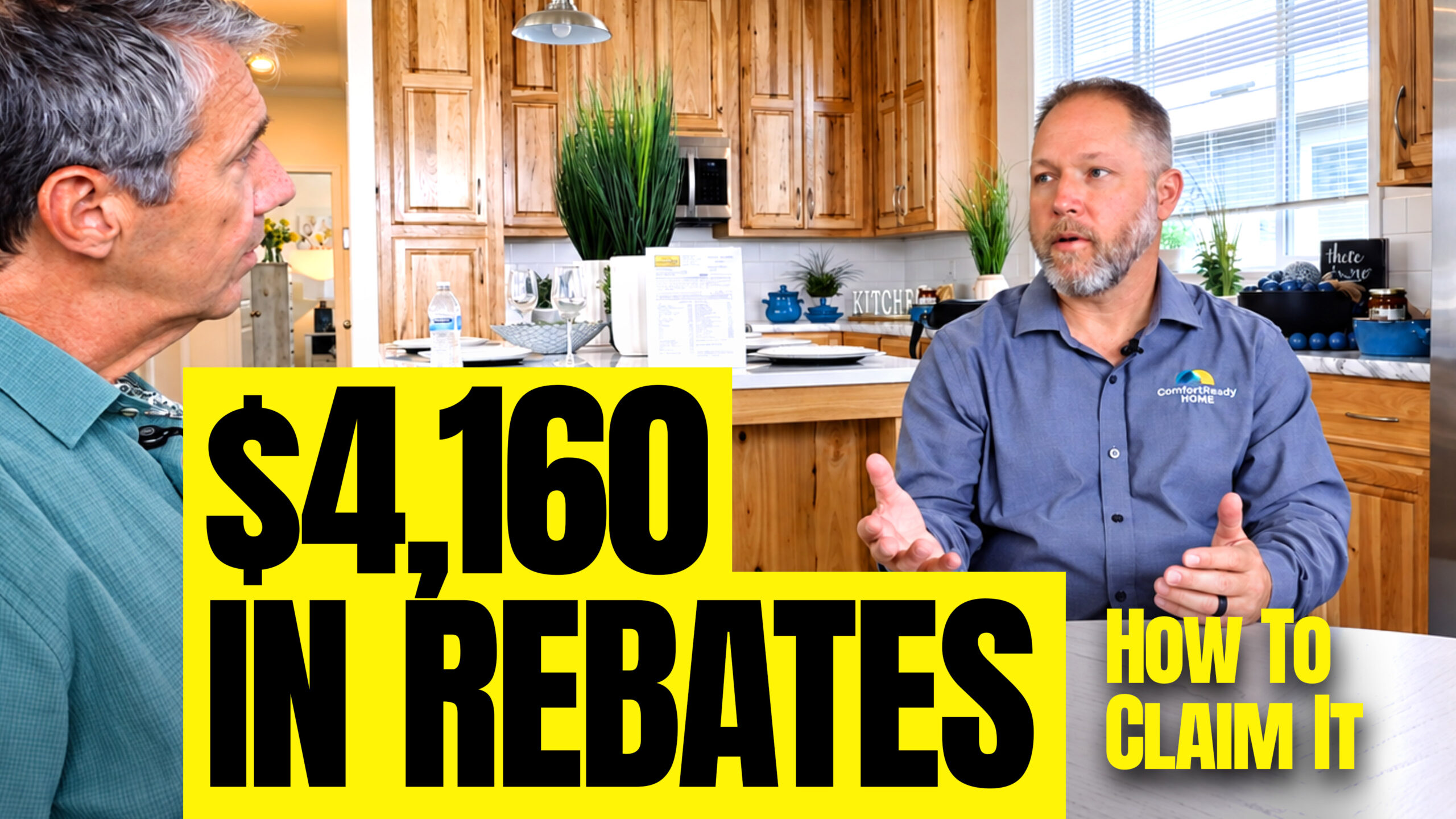
In our video interview, Junior from The Home Boys sits down with Liz Owens of On Q Financial to discuss manufactured home financing—from preparing your documents to understanding construction loan payments.
One question runs through the conversation: what do you actually want to pay each month?
Loan Approval and a Comfortable Budget Are Different Numbers
A lender evaluates your income, debts, credit, assets, and the proposed property to determine whether you qualify for a loan. Your household budget also needs to account for how you want to live after moving in.
Junior makes that distinction practical. A buyer may qualify for a larger purchase but prefer a smaller payment that leaves room for dinners out, vacations, and other priorities.
Liz describes her approach this way:
“Not just what they qualify for, but what do they want to pay?”
Start by identifying a comfortable total monthly housing expense. Ask your lender to help work backward from that amount to a realistic project budget.
Your housing costs may include principal and interest, property taxes, homeowners insurance, and applicable mortgage insurance or association fees. Utilities, maintenance, and repairs also need room in your household budget. The Consumer Financial Protection Bureau’s homebuying guidance recommends considering these expenses when deciding what you can afford.
Budget for the Complete Manufactured Home Project
The home’s advertised price is an important starting point. A home-and-land project also needs a clear accounting of the work required to make the property ready for move-in.
Ask for an itemized budget showing what is included and what still needs a separate estimate. Depending on your property and purchase agreement, that may involve land, site preparation, foundation work, utility connections, transportation, installation, and other improvements.
Some eligible costs may be included in financing, subject to the loan program and lender’s requirements. Fannie Mae’s manufactured housing guidance identifies several of these project costs as potentially financeable.
The useful question is: “What will this complete project cost, and what will I need to pay separately?”
What Documents Should You Prepare for a Manufactured Home Loan?
In the interview, Liz explains that gathering documents early helps the lender understand your situation and identify questions before they delay the process.
Her starting checklist includes:
- Government-issued identification.
- Recent bank statements.
- Recent pay stubs and other income documentation.
- Tax returns and business documentation when applicable, particularly for self-employed borrowers.
- Information about existing debts and other properties.
- Relevant property tax and insurance records.
Your lender will provide a checklist based on your income, loan program, and project.
Liz also explains why a lender may ask about a large bank deposit. Funds used in the transaction may need documentation showing where they came from.
If you expect to use a gift, proceeds from selling an asset, or another unusual source of funds, ask your lender what documentation to keep before moving the money.
FHA, VA, USDA, and Conventional Manufactured Home Loans
The interview covers four major financing paths. The best fit depends on both the borrower and the property—not simply the name of the program.
FHA Loans
FHA-insured loans can offer a low-down-payment path for eligible borrowers. HUD identifies down payments as low as 3.5% for qualifying FHA purchases, although the applicable program, borrower qualifications, and property requirements must be confirmed with the lender. HUD’s FHA loan overview
For a manufactured home project, ask which FHA financing product applies and how its requirements affect your plans. Also ask about mortgage insurance: most FHA forward mortgage programs include upfront and annual mortgage insurance premiums, with the annual premium collected in monthly installments. HUD’s mortgage insurance explanation
VA Loans
VA-backed financing may be an option for eligible veterans, service members, and certain surviving spouses. The program can offer a purchase path without a down payment, subject to the transaction and lender’s requirements. VA home loan information
Ask whether the lender offers VA financing for your particular manufactured home and construction project.
A VA funding fee may apply unless you qualify for an exemption. Other closing costs can still exist, so request an explanation of your expected cash to close. Fee exemptions and lender charges are separate questions. VA funding fee and closing cost guidance
USDA Loans
USDA financing can be worth exploring when the property is in an eligible rural area and the household meets the program’s income and other requirements.
The USDA Guaranteed program offers no-down-payment financing for qualifying applicants and properties through approved lenders. An address must be checked for eligibility; being outside a city does not establish eligibility on its own. USDA Guaranteed Loan Program
Junior and Liz also distinguish between USDA Guaranteed and USDA Direct loans. Guaranteed loans are made through participating lenders. Direct loans are offered through USDA Rural Development and serve eligible low- and very-low-income applicants. USDA housing program comparison
Conventional Loans
Conventional manufactured home financing includes eligible loans that meet Fannie Mae or Freddie Mac requirements.
When comparing options, ask for the complete picture: monthly payment, mortgage insurance if applicable, closing costs, required cash, and property requirements.
For certain qualifying homes, specialized conventional options such as MH Advantage or CHOICEHome may also be available. These deserve an early conversation because the home and site must meet specific criteria.
Can Land Equity Help With the Down Payment?
If you already own the land, tell your lender at the beginning.
Equity in eligible land may help meet down payment requirements. Fannie Mae, for example, allows qualifying land equity to count toward the borrower’s contribution, subject to its valuation and documentation rules. Outstanding liens affect the available equity. Fannie Mae’s land equity requirements
Owning land does not automatically eliminate every upfront expense.
Ask your lender:
- How will the land be valued?
- Does an existing loan or lien affect the transaction?
- How much equity can be credited?
- What cash will still be needed for closing or other project expenses?
These answers help establish a useful budget before you make final home and site decisions.
Why Appraisals, MH Advantage, and CHOICEHome Matter
An appraisal can influence whether the proposed financing works for the complete project.
In the interview, Junior and Liz discuss CrossMod homes and specialized conventional financing options. Fannie Mae’s MH Advantage and Freddie Mac’s CHOICEHome have their own eligibility and documentation requirements; they should not be treated as interchangeable labels for every manufactured home.
For eligible MH Advantage appraisals, Fannie Mae requires MH Advantage comparable sales when available. When those sales are unavailable, its guidance calls for appropriate alternatives that include at least two site-built homes. Fannie Mae’s appraisal guidance
Freddie Mac likewise sets certification, home, and site requirements for CHOICEHome financing. Freddie Mac’s CHOICEHome overview
These programs do not guarantee a higher appraisal.
The practical step is to have the lender and home retailer evaluate eligibility early. Confirm current requirements for the specific home and site before committing to improvements or assuming a particular appraised value.
How Does a Manufactured Home Construction Loan Work?
Liz describes a construction financing process that begins with borrower approval, a project budget, purchase agreements, bids, and an appraisal.
After closing, funds are disbursed as the project progresses. These disbursements are commonly called draws.
In the arrangement she describes, construction interest is based on the money already disbursed. Her example is a $300,000 project with $50,000 drawn: interest at that stage would be calculated on the $50,000 used. As additional funds are released, the interest payment can increase.
That example explains a payment structure; it is not a quote or a promise that every lender handles construction financing the same way.
Before signing, ask:
- When will construction payments begin?
- Are payments based on funds drawn?
- What must happen before each draw is released?
- What happens if construction takes longer than expected?
- What inspections and documents are required for completion?
- When does the permanent mortgage payment begin?
Liz also discusses rate protection and a potential float-down at her company. Ask your lender whether those features are available, what they cost, and what conditions apply.
Should You Tour Homes or Talk to a Lender First?
Junior recommends seeing homes first to find out whether the available layouts and features fit what you want. Once you see a possible fit, financing should become an early part of the conversation.
That creates a practical sequence:
- Explore homes and identify your priorities.
- Gather your financial and land information.
- Speak with a lender familiar with manufactured housing.
- Establish a comfortable payment and complete project budget.
- Refine your home and site plans around those numbers.
The goal is to connect the home you want with a financing plan you understand before making major commitments.
Manufactured Home Financing FAQs
Can I finance a manufactured home if I already own land?
Potentially, yes. Tell the lender about the property, any liens, and the home you intend to place there. The lender can evaluate the project and whether eligible equity can help meet financing requirements.
Is there one credit score requirement for all manufactured home loans?
No. Requirements depend on the program, lender, and borrower’s overall application. A credit score mentioned in one loan discussion should not be treated as a universal approval threshold.
Does a lower interest rate always mean a better loan?
Compare the rate alongside fees, mortgage insurance, required cash, and the total monthly payment. Ask lenders to explain the tradeoffs between the options available to you.
What if I plan to place the home on leased land?
Tell the lender immediately. A home-only loan may be a different financing path from a mortgage secured by a home and land together. The Home Boys’ customer guidelines explain this distinction.
Start With a Home You Like and a Payment That Fits
You do not need to know every lending term before exploring manufactured homes. You do need a clear picture of your priorities, your land situation, and the payment you want to carry.
Watch Junior’s full conversation with Liz Owens, then bring your questions to a lender who understands your type of project.
Ready to explore the homes themselves? Browse The Home Boys’ floor plans, review our financing resources, or contact our team to discuss your home plans.
Home Boys Inc. is not a lender or mortgage broker. Loan approval, eligibility, pricing, and terms are determined by the lender and applicable program requirements.