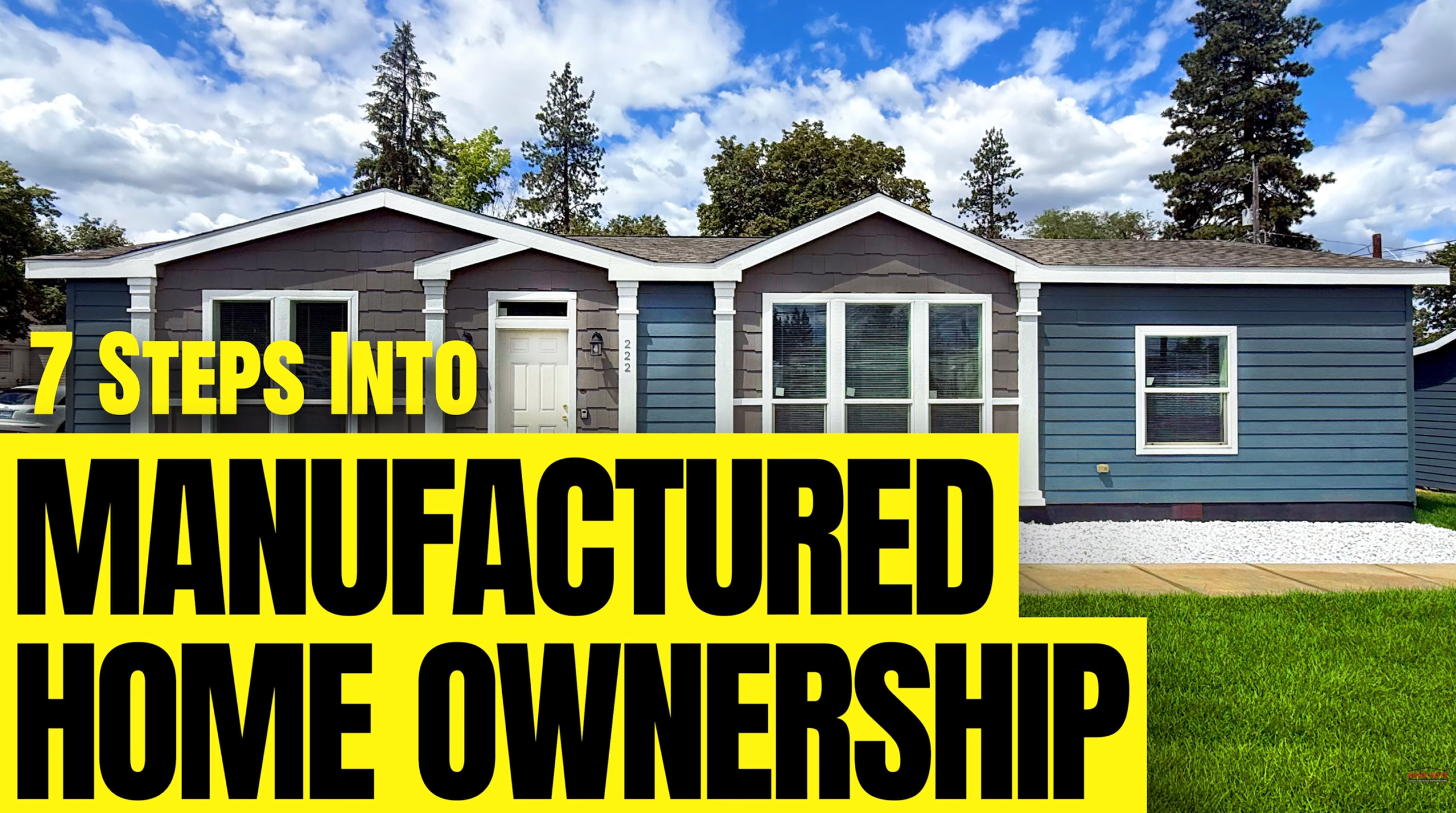
Inside Clayton Albany: How Modern Manufactured Homes Are Really Built
June 24, 2026
Most people only see a manufactured home after it is finished: sitting on a display lot, moving down the highway, or set on a piece of land. What they do not usually see is the process behind it — the engineering, planning, craftsmanship, inspections, materials, and teamwork that turn raw components into a finished home.
In this factory tour, The Home Boys visits Clayton Albany to see how modern manufactured homes are built from the inside out. The tour begins at the earliest stages of production and follows the home through the floor system, chassis, walls, roof, electrical, plumbing, HVAC, insulation, siding, drywall, cabinets, appliances, quality checks, and final preparation before the home leaves the factory.
The biggest takeaway is simple: these are not the “trailers” many people still imagine. Clayton Albany is building real homes in a controlled factory environment, with structured production, quality control, energy-efficient systems, and a team that understands these homes are going to real families.
Built by a Team of More Than 300 People
Clayton Albany has more than 300 team members working together to build homes. Each home moves through a production line where different teams handle different parts of the process. One group builds the floor system. Another works underneath the home on plumbing and electrical. Another builds walls. Another sets the roof. Other teams handle drywall, painting, cabinets, siding, appliances, finish work, inspections, cleaning, and final prep.
That division of work is one of the strengths of factory-built housing. Instead of building outdoors in changing weather, the home moves through a planned production environment where each step is repeated, improved, and checked.
It is not just about speed. It is about consistency.
Floor Systems: Where the Home Begins
The home starts with the floor. Clayton Albany uses 2x6 floor joists as standard in its homes, with 2x8 floor joists used in certain 30-foot-wide homes. The factory also recently added a double rim joist as a standard feature and uses thicker floor decking, helping create a stronger and more rigid foundation for the home.
The floor system is assembled first, then the floor decking is installed. During this stage, the factory also builds the heat runs that will carry warm and cool air through the home. Those heat runs are not simply bought pre-made. They are formed in-house by a machine that shapes the aluminum duct material used for the home’s downflow furnace system.
Because the furnaces are downflow systems, air moves down through the furnace and into the ducting below the floor. The heat runs are placed so the air can reach the floor registers throughout the home.
This is where the structure, comfort, and mechanical design begin to come together.
HVAC Calculations for Each Home
One of the most important details in the tour is the way Clayton Albany handles HVAC planning. Rather than relying only on broad rules of thumb, the factory performs HVAC calculations for each home and each destination.
The same floor plan may need a different HVAC setup depending on where it is going. A home going to one climate or site condition may need different heating, cooling, registers, or airflow than the same home placed somewhere else. Even individual rooms can have different needs depending on their location in the house. A corner room with more exposure to the weather may need different airflow than an interior room.
Clayton Albany has been doing these specific HVAC calculations for years, and after thousands of homes, the process has proven itself. This is one of the details that helps separate modern manufactured homes from older assumptions about factory-built housing.
Electrical, Plumbing, and Floor Prep
After the floor is built, it is lifted and moved to the next stage. A team works underneath the floor to install electrical and plumbing, while another team works above the floor to sand it smooth and prepare it for finished flooring.
All plumbing in these homes is PEX plumbing. PEX is flexible, widely used, and practical for modern home construction.
Once the floor is sanded and prepared, the flooring can be installed. In homes with linoleum, the material is installed in large rolls that can cover the full width of the floor. If the home has linoleum throughout, it can run as one continuous sheet across the floor section, reducing seams and cuts. In rooms that will receive carpet, the linoleum is not installed in those areas.
The flooring is installed as a floating floor. It is stapled around the edges, and the weight of the walls, cabinets, and other installed components helps hold it in place. One benefit of this approach is future repairability. If the flooring ever needs to be replaced or repaired, the homeowner is not fighting against a fully glued floor across the entire house.
Chassis Welding and Engineering
Clayton Albany builds its chassis in-house. The chassis is welded at the factory, painted black to help protect against rust, and engineered for the specific home being built.
The factory can stretch or shrink homes depending on the floor plan and order requirements. The engineering department can also provide foundation prints for customers using different foundation systems, including stem walls, footers, CMU blocks, and other foundation types.
Depending on the size and weight of the home, the chassis may use different axle configurations. Some homes may need four axles, while others may require six or seven.
This part of the process shows how much engineering happens before a home ever reaches the customer’s property.
One-Piece Exterior Walls
One of the most impressive parts of the factory tour is seeing how the exterior walls are built. The full sidewall of the home is built flat on a table as one long piece. Whether that wall is 48 feet or 76 feet long, the goal is to build the entire sidewall at one station.
Once the wall is complete, it is hoisted into place and attached to the floor system. The exterior walls are strapped down to the floor, creating the structure of the home.
This is one of the big differences between watching a home being built in a factory and seeing only the finished product. In the factory, you can see the entire wall, roof, and floor systems come together with a level of planning that is difficult to understand from the outside.
One-Piece Roof Systems
The roof is also built as one large section and moved into place by overhead equipment. Once the exterior walls are set, the roof is lowered onto the home and attached.
Different roof-load options are available depending on where the home will be delivered. Homes going to areas with heavier snow loads, such as parts of Montana, Idaho, Alaska, or other mountain regions, can be engineered for those requirements. Clayton Albany can also build homes with WUI options for areas that require wildfire-related construction features, such as thicker or cement-based siding packages in certain regions.
This flexibility is important in the Northwest because homes may be going to very different climates and code environments.
Electrical, Can Lights, and Interior Rough-In
After the walls and roof are in place, teams continue working inside the home. Electrical wiring is run, light switches are planned, receptacles are installed, and recessed can lights are cut into the ceiling.
Clayton Albany uses LED can lighting throughout its homes, rather than relying on older surface-mounted bulb fixtures. The result is a cleaner and more modern interior finish.
The home also includes air returns over bedroom doors as a standard feature, improving airflow and helping the HVAC system perform properly throughout the home.
House Wrap as a Standard Feature
Every home receives house wrap before the siding is installed. This is a standard feature at Clayton Albany.
House wrap is important because the homes are built in the Northwest, where rain and moisture are a real part of life. Adding house wrap beneath the siding provides another layer of protection for the home and helps improve long-term durability.
Clayton Albany was one of the first in its market to make house wrap standard because the team believed it was the right thing to do. That idea comes up throughout the tour: being the best value is not always the same thing as being the cheapest. It means giving customers more for their dollar and building a home that is designed to last.
Siding Options and Exterior Design
The factory builds homes with multiple siding styles. Depending on the home and package, buyers may see standard vertical siding, cement board lap siding, board-and-batten accents, or other exterior combinations.
This matters because many buyers still worry that a manufactured home will look too much like an old “trailer.” Modern siding packages, trim details, lap siding, board-and-batten, eaves, windows, and exterior color choices can dramatically change the look of the home.
The tour shows that these homes do not all have to look the same. Buyers can create a more personal exterior appearance while still benefiting from factory-built efficiency.
Energy Efficiency and National Brand Components
Energy efficiency is a major part of the Clayton Albany product. Homes are built with Energy Star standards, LED lighting, AC / heat pump readiness, efficient HVAC planning, and strong insulation packages.
Clayton Albany partners with well-known national brands, including Carrier for furnaces and Rheem for water heaters. These are familiar brands that customers can recognize, service, and understand.
Because Clayton purchases materials and components through national contracts, it can often buy items like water heaters, lumber, and other building materials at a lower cost than an individual buyer could get at a retail store. Those purchasing advantages help keep pricing competitive while still using quality components.
Cabinets Built In-House
Clayton Albany builds its cabinets in-house. The factory buys cabinet doors, skins, face frames, and related components, then assembles the cabinets on site in the factory.
As the home moves down the production line, the cabinets are staged, installed, and finished as part of the interior build process. This helps the factory control quality, timing, and consistency.
Cabinet installation is one of the stages where the home starts to feel less like a structure and more like a finished living space.
Drywall, Paint, Shingles, and Interior Finish
In the finishing plant, multiple teams work at the same time. While one team is installing shingles on the roof, other teams are working inside the home on tape and texture, painting, trim, doors, cabinets, wire shelving, and interior finishes.
The drywall is sprayed, dried, rolled, and finished through multiple stages. Door casings, window trim, closet shelving, appliances, and cabinets are installed as the home moves forward.
This part of the process shows the advantage of building under cover. Weather is not getting into the home. Materials are not sitting exposed outside. Work continues in a controlled environment, and the home moves from structure to finished product in a planned sequence.
Communication From Sales Lot to Factory to Setup Crew
One of the most important themes in the tour is communication. Clayton Albany talks about the importance of a strong communication lane between the sales lot, the factory, and the setup crew.
That communication helps solve problems before they become bigger issues. If the factory knows what is happening on the sales side, and the setup crew understands what was built, the entire process works better for the customer.
The factory also uses production boards and planning systems at different stations to look ahead, identify possible bottlenecks, and prepare for upcoming orders.
This is not just a production line. It is a coordinated process.
Building Homes for Real Families
One detail that stands out is the way Clayton Albany shows finished Home Boys videos on screens inside the factory. This allows factory team members to see the finished homes, the families, and the real-world result of the work they are doing.
That matters. A home is not just an item number or production order. It is going to a family.
When team members can see where the home is going and what it becomes, it adds pride and purpose to the work. That pride shows in the finished product.
Quality Checks Throughout the Process
Quality checks happen throughout the production line, but they become especially important near the end. Managers, production leaders, sales team members, and the general manager may walk homes to inspect them for quality.
They look for cabinet imperfections, wall scrapes, finish issues, alignment details, and anything else that needs attention. Homes are checked with flashlights to catch small flaws before they leave the factory.
The factory’s goal is for the home to be 100% complete when it rolls out the door. Once the home moves into the yard, the yard team performs final cleaning, touch-up paint, and another quality review in natural light. Seeing the home outside can reveal small details differently than indoor factory lighting.
Why Multi-Section Homes Travel Together Through the Line
For multi-section homes, the sections travel together through several stages of the factory. This is done for two important reasons.
First, it helps with alignment. If the two halves are built separately without being checked together, problems may not show up until the end. By keeping the sections together, the factory can make sure the marriage line, roof, walls, floors, and finish details match properly.
Second, it allows the team to test crossover systems. Power and other systems need to work correctly between the two sections of the home. Keeping the sections together makes that testing easier and more accurate.
This is one of the behind-the-scenes details that customers would never see on a finished display lot, but it makes a major difference in the final result.
Homeowner Packet and Clayton App
Before the home leaves the factory, important information is placed inside for the homeowner and contractor. This includes prints, foundation information, HVAC sheets, and other documents related to the home.
Clayton also offers an app that allows customers to connect their specific home by serial number. The app can show information about the home, including the size, furnace, and maintenance reminders. It can help remind homeowners when to clean or replace filters, maintain the water heater, and keep up with basic home care.
For first-time home buyers, this is especially helpful. Instead of trying to remember where paperwork was placed months earlier, important information and reminders can be easier to access.
Customer Feedback After Move-In
Clayton Albany also follows up with customers after they have lived in their homes. The goal is to hear how the buying experience went, how the home is performing, and what the factory or retail centers could do better.
That feedback can lead to better communication, better training, and better processes. It also shows that the factory does not see the home as finished the moment it leaves the door. The customer’s experience after move-in still matters.
Built Under Cover, Built With Care
By the end of the tour, the biggest impression is how much care goes into the process. A manufactured home is not just “assembled.” It is engineered, planned, built, checked, finished, cleaned, documented, and prepared for a real family.
There are very few differences between what is being built inside the factory and what people expect from a site-built home. The biggest difference is that Clayton Albany gets to build under cover. The weather stays off the home, the materials stay protected, and the process is controlled from station to station.
That controlled environment is one of the major advantages of modern manufactured housing.
Why This Factory Tour Matters
This video is important because it helps buyers see what is behind the finished product. It answers the questions many people have but rarely get to see for themselves.
How is the floor built? How is the chassis welded? Where does the ductwork come from? Are the walls full-length? How is the roof set? Is there house wrap? Are the homes inspected? Do the two halves get checked together? Is the home built for a real family or just pushed through a line?
The Clayton Albany tour shows that modern manufactured homes are built with planning, engineering, quality checks, and pride. It also shows why The Home Boys invests so much time into educating customers. The more buyers understand the process, the easier it is to see the value in today’s manufactured homes.
See Modern Manufactured Homes for Yourself
The best way to understand modern manufactured housing is to walk through finished homes and, when possible, see how they are built. The Home Boys offers display homes at the Spokane Valley and Tri-Cities / Pasco locations, with pricing posted clearly and many homes available to tour in person.
For buyers considering a manufactured home in Washington, Idaho, Oregon, or Montana, this factory tour gives a behind-the-scenes look at the craftsmanship, systems, and care that go into the homes before they ever arrive on a customer’s property.
Modern manufactured homes are not just transported houses. They are carefully built homes, designed for real families, real land, real weather, and real life.